
Reconcile brew to bottle
Compare batch volumes with packed output and losses per line.
Beverages & breweries
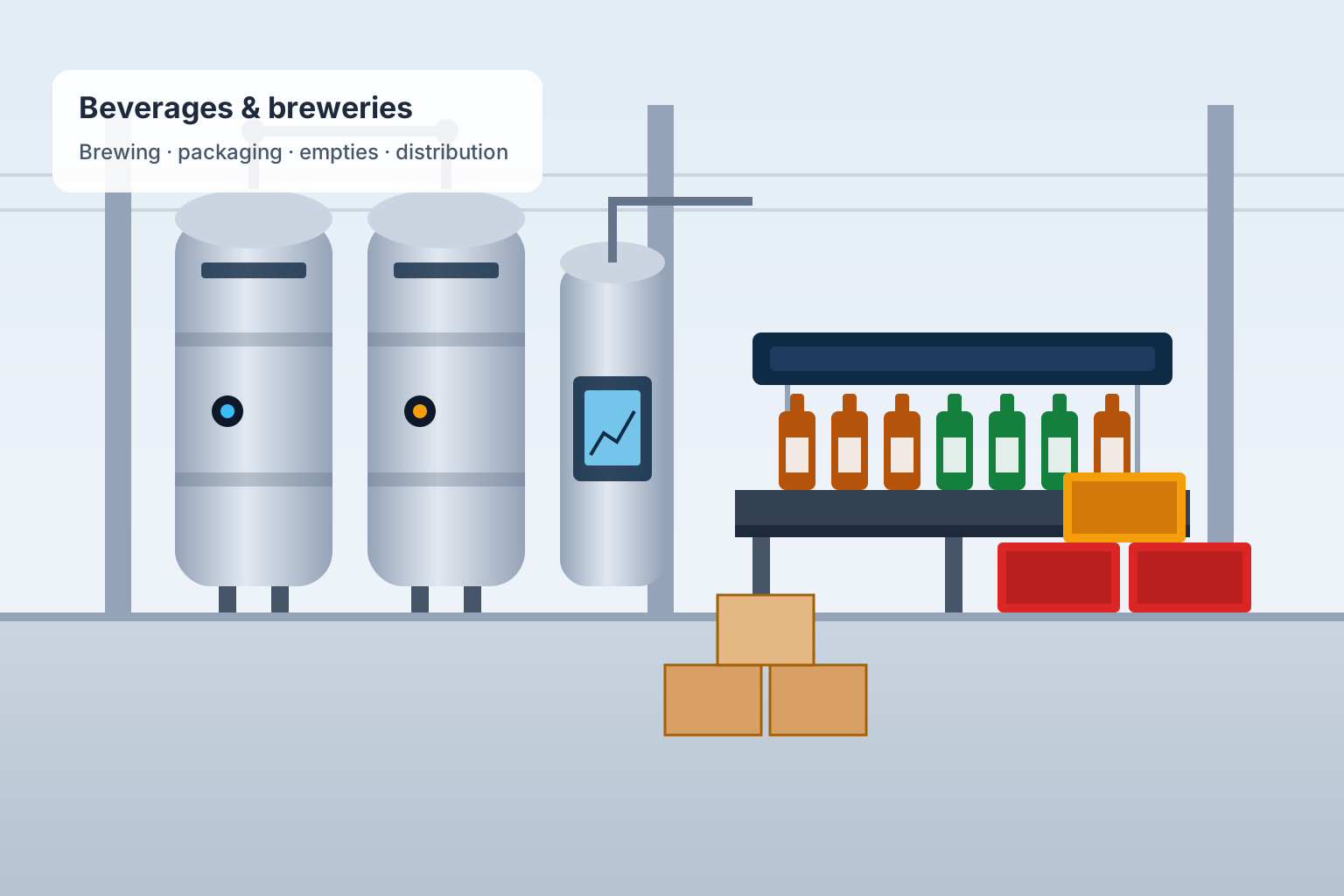
Breweries and beverage plants run batch production, high-speed packaging, returnable bottles and crates, excise reporting, and a distribution network that settles in cash. Map the brew or batch record, packaging lines, full and empty stock, and distributor accounts so production, excise, and finance work from the same numbers.
Built around your business
A beverage plant has three stock systems fighting each other: what was brewed or batched, what was packed, and what went out to distributors along with the bottles and crates that must come back. Excise wants production and dispatch quantities that agree, and finance wants distributor balances that include deposits and empties. Putting the batch, the packaging output, the returnable assets, and the distributor account on one system removes most of the month-end argument.
Compare batch volumes with packed output and losses per line.
Empties, crates, and kegs are tracked per distributor with deposits and breakages.
Production and dispatch quantities come from the same records finance uses.
Solution capabilities to scope
Build the scope around the records your team uses, the decisions it makes, and the exceptions it needs to manage.
01 / SOLUTION AREA
Record malt, hops, sugar, concentrate, water treatment, and packaging materials against each brew or batch, with yields and losses at each stage.
02 / SOLUTION AREA
Capture bottling, canning, or kegging output by pack size and line, with batch and best-before references carried to finished stock.
03 / SOLUTION AREA
Track empties issued to and returned from distributors, deposits, and breakages, so returnable assets are reconciled rather than written off.
04 / SOLUTION AREA
Keep the production and dispatch quantities your excise return needs, and manage distributor credit, deposits, and collections by route.
Recommended starting point
SAP Business One provides batch production, inventory by warehouse and batch, and finance. Returnable-asset tracking, excise reporting, and distributor route settlement are scoped as configuration, reports, or add-on work during discovery; LITFusion can cover van sales and collections in the field.
Explore the solution approach ↗An example operational workflow
Follow a typical transaction through the business. We adapt the sequence, approvals, and handovers to your operation during discovery.
Record malt, hops, sugar, concentrate, bottles, crowns, labels, and cartons with supplier lots and quality status.
Key record
Material receipt and lot record
Issue ingredients to the brew or batch, record volumes at each stage, and capture yield and process loss.
Key record
Brew or batch record
Record packaging output by line, pack size, and shift, with batch and best-before references on finished stock.
Key record
Packed finished-goods record
Load distributor orders, record full stock out and empties or kegs returned, and update deposit balances.
Key record
Dispatch and returnable-asset movement
Invoice distributors, record cash and bank collections, and produce the production and dispatch figures your excise return requires.
Key record
Invoice, collection, and excise summary
Reporting priorities
Agree report definitions, date ranges, ownership, and source transactions before implementation. Use these industry-specific views as a starting point for your reporting scope.
Implementation approach
Agree the scope and acceptance criteria first, then prepare the data and people who will run the process.
Walk through a real transaction with your operations and accounts teams. Agree the priorities, exceptions, and reports.
Confirm product fit, responsibilities, approvals, and data fields. Scope any add-ons, custom workflows, and integrations.
Clean and map master records, opening stock, balances, and active transactions. Reconcile the data before migration.
Run representative transactions and exceptions with your users. Verify calculations, reports, access, and operating procedures.
Agree the cutover plan and support arrangements. Review early transactions and resolve issues with the responsible team.
Before you decide
Returnable assets are tracked as stock items with deposit handling per distributor. The exact rules for deposits, breakages, and exchange ratios are agreed with your distribution team during discovery and tested against a real distributor statement.
The scope depends on your users, locations, opening data, approvals, reporting, and integrations. We review a representative workflow and agree what uses standard functionality, what needs configuration, and what needs additional development before preparing the proposal.
Batch & tank records · Yield & by-products · Packing & dispatch
Bulk materials · Bagged & bulk stock · Dispatch & billing
Grades & dimensions · Production & scrap · Weight-based dispatch
Ingredients & batches · Shelf-life records · Packing & costing